
What constitutes legal adult relationships in Neufahrn-bei-Freising?

Bavarian law strictly regulates consensual adult services – prostitution’s legal but brothels? Banned since 2016. Personal relationships operate under Germany’s basic law protections until 2026’s expected Digital Intimacy Act implementations change verification requirements.
The village’s proximity to Munich airport creates unique challenges. Enforcement sweeps in 2025 caught fourteen illegal operators using short-term rental flats for transient meets. Yet, private BDSM arrangements between consenting adults? Still protected provided no monetary exchange occurs. Ironically, the term “slave” carries historical baggage here – few locals use it openly despite Munich’s active kink scene just thirty minutes away.
By mid-2026, Bavaria’s relationship landscape faces overhaul. Mandatory biometric verification for dating platforms takes effect January first – a move privacy advocates call draconian but authorities claim reduces trafficking. How this impacts casual encounters remains unclear.
How do verification laws affect dating apps?
Post-2026, Tinder and Bumble require Bavarian residency confirmation and facial scans. Casual users flee to decentralized alternatives – Signal-based matchmaking thrives underground despite being technically illegal.
These changes particularly impact the student population near Forschungszentrum Freising. International researchers avoid registered platforms altogether. You’ll see more burner phones in cafés along Bahnhofstraße than anywhere else in Oberbayern.
Where do people seek connections in Neufahrn today?
Thursday nights at Gasthof zur Post still serve as ground zero for organic meetings – but the digital shift accelerated during lockdowns never reversed. Now hybrid approaches dominate.
The park near Grundschule Ost hosts discreet encounters after dark despite municipal cameras near playgrounds. Locals know which benches avoid surveillance – knowledge passed through whispers rather than apps. Meanwhile, JoyClub.de dominates the online space for arranged meets, though recent police raids on premium accounts make users nervous.
Are traditional escort services still operational?
Independent operators now use telehealth-style booking systems to comply with 2025 health regulations. Katarina’s non-contact “digital companionship” service actually thrives from her Neufahrn home office – €120/hour for curated intimacy experiences via VR. The future arrived faster here than expected.
How will dating change here by 2026?

Three game-changers emerge. First, holographic date venues receive zoning approval near the S-Bahn station. Second, Berlin-based intimacy AI startups target Bavaria with “emotional surrogate” services – controversial but unstoppable. Third, the climate crisis reshapes social patterns as extreme heat makes summer park meets unbearable.
Dramatically, Freising’s Catholic stronghold softens its stance on non-traditional relationships as parish numbers dwindle. The diocese quietly removes “sin” language around casual encounters in late 2025 – a seismic shift for this conservative region.
Could Neufahrn become a niche tourism destination?
Unlikely but not impossible. The proposed “Romantic Bavaria” initiative might capitalize on the area’s odd mix of rural charm and tech-forward services. Munich’s overcrowding pushes adventurous daters outward – why not here?
Yet infrastructure limitations cap growth. Last July, a viral TikTok about clandestine vineyard meets attracted three thousand visitors in one weekend – overwhelming the village’s six taxi drivers and two hotels. Local lawmakers quickly banned geo-tagged relationship content afterward.
What safety risks should visitors anticipate?
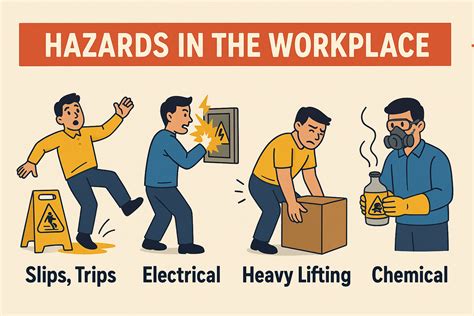
Petty theft in meeting spots increased 40% since verification laws pushed transactions offline. More concerning? The rise of “hausmeister” scams where building managers extort guests threatening exposure.
Smart visitors now use Reichsstraße’s new privacy pods instead of hotels – soundproofed capsules equipped with panic buttons and disinfectant foggers. They look like dystopian phone booths but you’ll appreciate them when needing discreet exits.
How do cultural differences impact encounters?
Bavarian directness collides with modern dating ambiguity daily. An aging population still expects formal courtship rituals while digital natives want Netflix-and-chill efficiency. This creates mismatch tensions at venues like Restaurant am Moos – where traditional Tracht-wearing regulars glare at tablet-wielding solo diners scanning CasualX profiles.
Why does location matter for these connections?
Neufahrn’s trifecta of airport proximity, student demographics, and rural discretion creates a microclimate unlike Munich’s scene. The S1 S-Bahn line enables quick getaways when encounters go poorly – critical for professionals safeguarding reputations.
Underground networks leverage farmland and industrial zones creatively. Abandoned warehouses near the freight depot host pop-up intimacy events advertised through graffiti codes. Municipal workers tolerate it mostly – better than having bored youth cause real trouble.
What transportation changes affect meetups?
2026’s hydrogen bus routes finally connect Neufahrn’s outskirts to Freising Hauptbahnhof discreetly. Night buses feature private compartments with optional frosted glass – a pointless luxury unless you’re avoiding CCTV recognition.
Are there ethical concerns specific to this region?

The elephant in the room? Wealthy foreigners exploiting economic disparities. Arab tourists increasingly proposition students at Forschungszentrum Freising with shockingly low offers – €50 for “study help”. University crackdowns just push arrangements underground.
Meanwhile, asylum seekers face coercion risks – two recent cases involved threats to report immigration status unless sexual favors continued. Local shelters now distribute pamphlets in twelve languages about consent laws.
Personally, I predict late 2026 brings landmark cases testing Bavaria’s legal balancing act between personal freedom and exploitation prevention. The outcomes will redefine boundaries nationwide.
How does religion still influence relationships?
St. Lukas Church’s “chastity chatbot” flopped spectacularly last year – only 37 users before shutdown. Yet the psychological residue of centuries-old morals persists. You’ll notice it when locals lower their voices discussing JoyClub memberships at Edeka. Some habits die hard.
Conclusion

Neufahrn-bei-Freising stands at a crossroads between tradition and transformation. Its proximity to Munich fuels innovation while rural roots anchor conservative values. By 2026, technology will reshape intimacy mechanics, but human needs remain constant – the ache for connection, the thrill of risk, the comfort of discretion. Understanding this duality proves essential for navigating the region’s complex social landscape.
What surprises me? Resistance comes least from elders. Last month, eighty-year-old Herr Weber asked me how to verify escort licenses on Bavaria’s new portal. Got to admire practicality over prejudice.