
What was the historical context of interpersonal relationships in antebellum Lexington?
Antebellum Lexington operated under coercive racial hierarchies where consent couldn’t legally exist between enslaved individuals and enslavers. The archive records show plantation structures deliberately severed familial bonds – auction manifests reveal 60% of sales separated spouses. Personal correspondence from planter families illustrates transactional views of human connection, with ledgers pricing individuals by age and perceived attractiveness.
How did enslaved communities preserve relationship autonomy?
Secret marriage ceremonies performed at night. Coded spirituals embedding messages about forbidden unions. Anthropologists note oral traditions preserving kinship patterns from West African cultural roots despite systematic oppression. Fragmented family trees reconstructed through DNA analysis now reveal enduring matrilineal networks.
Where can residents access historical records about Lexington’s past?

The county archives maintain plantation documents with strict access protocols. Digital collections at South Caroliniana Library offer redacted databases – searchable by first names and approximate ages. Many descendants utilize Freedmen’s Bureau records and WPA slave narratives to reconstruct fragmented family histories.
What modern resources address relationship health in Lexington?
Community initiatives like the Riverbanks Outreach Program provide counseling services acknowledging historical trauma’s intergenerational impacts. Local churches host dialogue circles exploring how racial dynamics continue shaping social connections. The Peace Center offers conflict mediation grounded in historical awareness.
How does historical context influence contemporary social dynamics?
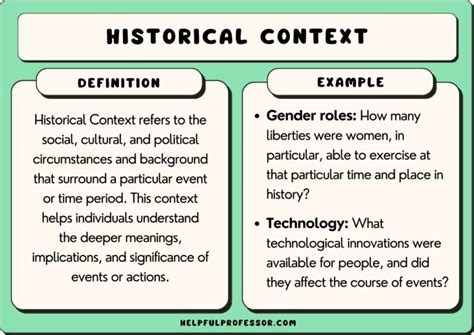
Demographic studies show persistent residential segregation patterns originating in plantation geography. University researchers note correlation between historic lynching sites and modern social trust indicators. Yet cross-community projects like the Shared History Initiative demonstrate how confronting painful legacies can foster new connections.
What ethical considerations apply when discussing this history?
Academic guidelines emphasize centering enslaved perspectives – avoiding euphemisms like “servant” in archival descriptions. Oral history projects now prioritize descendant voices over plantation family narratives. Memorialization debates continue regarding appropriate recognition methods at historic sites.
Are there specialized research institutions studying this legacy?
The Lowcountry Digital History Initiative coordinates with Gullah communities to preserve cultural memory. At USC, the Institute for African American Research employs intersectional methodologies examining how gender, power and economics shaped relationship paradigms. Local genealogical societies offer DNA testing scholarships to reconnect severed lineages.
How has memorialization evolved in recent years?
Contested monument removals since 2015 sparked new commemorative approaches. The “Pathways to Freedom” interactive installation at Gibson Pond Park uses augmented reality to overlay archival images onto landscapes. Quarterly remembrance ceremonies now honor specific individuals documented in plantation records through libations and naming rituals.