
Are orgy parties legal in Chula Vista?

Private events between consenting adults generally exist in legal gray areas rather than being explicitly unlawful. The crucial factors are venue licensing, prostitution laws, and public disturbance statutes. Sex itself isn’t criminal – it’s the commercial aspects and violations of California Penal Code 647(b) regarding solicitation that trigger legal consequences.
Enforcement focuses on brothels masquerading as “private parties”. Real underground gatherings typically avoid heat unless complaints arise. Police mostly ignore discrete residential things but swarm hotel takeovers gone wrong. Laws hinge on three things – money changing hands, third-party promotion fees, and intoxication levels crossing into incapacitation.
How does California distinguish legal parties from illegal operations?
Monetization creates legal jeopardy. Cover charges for entry? That’s dicey – considered profiting from sex acts. Venues taking cuts? Operators risk promoting prostitution charges. Private homeowner events with BYOB? Different ballgame. Needs paperwork proving it’s not recurring business. Law’s fluid but vigilant towards organized operations.
Where do people find these events near Chula Vista?

Three channels dominate: invitation-only Telegram groups, swinger apps like SDC and Kasidie, and lifestyle resorts like Sea Mountain eastward. Chula gatherings skew towards private residences near Third Avenue or Eastlake due to mellow neighborhoods and rapid freeway access. However, the actual searching requires knowing gatekeepers.
Most newbies blow it by asking publically. Instagram hashtags? Hell no. Signifiers exist – pineapple decor motifs at bars, black rings on right hands, specific emojis in Tinder bios. Apps pretend to facilitate social connections that magically become sensual. Clever.
What mistakes do newcomers make when seeking sexual gatherings?
Cash offers become solicitation evidence immediately. “Pay for play” texts get screenshotted for vice squads. Explicit language in public forums? They monitor Backpage spiritual successors aggressively. Even experienced organizers vet for six months minimum – burner phones, encrypted chats, discreet meetups at The Living Room Cafe first. Trust takes time here.
What safety protocols should participants follow?

Vetting practices differ wildly between vanity events and real communities. Smart operators mandate recent STD panels for all – oral swabs included. They’ll check your paperwork faster than ICU nurses. Condom stations everywhere with multiple sizes. Color-coded wristbands signaling boundaries – green meaning “open to interaction”, red signaling “observers only”. No meant no. Period.
How do Chula Vista’s rules differ from neighboring cities?
Small-town mindset persists despite being part of San Diego metro. Law enforcement focuses more on waterfront patrols than private residences unlike Gaslamp District. Trendier spots in Eastlake get occasional visits – but mostly noise complaints. The Golf Course has zoning buffer advantages people exploit.
What psychological complexities emerge from group encounters?

Post-event drop hits people unexpectedly – weird combo of dopamine crash and limerence. Non-monogamy veterans roll eyes at newbies calling it revolutionary. Research shows temporary oxytocin surges create false intimacy bonds. Yet anonymity paradoxically lets people feel seen in blunt ways typical dating avoids.
Counselors note recurring themes – women processing jealousy differently than expected, men with performance anxiety even in relaxed settings. Aftercare protocols remain underdeveloped here compared to BDSM communities frankly. Not enough emotional debrief structures.
How do partners successfully navigate this together?
Establish three pre-commitments: veto rights exercised without debate, safe words that pause everything, mandatory check-ins at 24/48 hours post-event. The relationship must hold primacy over novelty chasing. Successful couples say mismatched comfort zones kill relationships faster than any act itself.
What hidden costs surprise participants?

The obvious are cover charges ($40-200), STD panels ($150-300), Uber surge pricing. Hidden ones? Wardrobe replacement budgets because you can’t wear that dress at three parties without recognition. Emergency therapy sessions averaging $180/hr when emotional complications emerge. Photography fees – yes, some hire disabled veteran execs as ethical photographers.
Why do insurance considerations matter?
Homeowner policies get voided if “commercial activity” discovered – which some racketeering attorneys argue applies here. Bodily injury waivers became essential after 2018 lawsuit where drunk guest fell through Palm Avenue balcony. Assumption-of-risk clauses now standard for organizers.
How does police surveillance impact events?
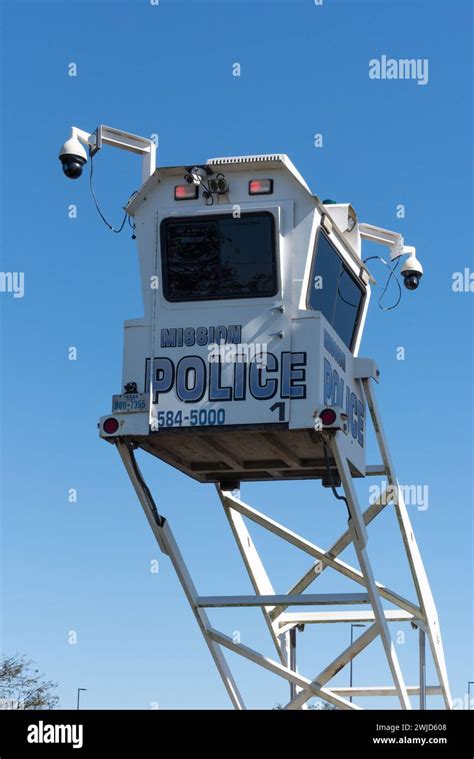
Undercover operations follow predictable patterns. Vice usually deploys inexperienced female officers who ask obvious questions while radiating nervous energy – “So how does this work exactly?” First Wednesday of months? Constantly posted near bars. They look for cash boxes not champagne flutes.
What legal shields do organizers employ?
Private membership clubs model using IRS 501(c)(7) structures. Strict paperwork trails showing membership applications processed two weeks pre-event. Business cards proving nonprofit leadership positions. Fire code compliance certificates framed conspicuously. They become impenetrably bureaucratic through design.
What survivor stories reveal systemic vulnerabilities?

Blackout incidents still overrepresented in LGTBQ+ parties with open bars. Grief around 2019 GHB wave still lingers – community installed test kits with lab validation. Huge issue remains racial imbalances in vetting – minorities describe application double standards. Enforcement needn’t come from police – ethical organizers ban violators across regional networks shared via spreadsheets.
Why don’t victims report assaults to authorities?
Fear works both ways – survivors dread kink-shaming from detective, worry about immigration status complications, don’t trust evidentiary collection on illegal premises. Anonymous community justice through whispered warnings may exceed law enforcement intensity though. #MeToo hit this sphere quietly hard.