
Car Sex in Mount Isa: Navigating Intimacy in the Outback
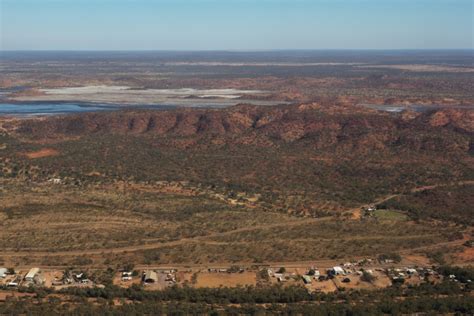
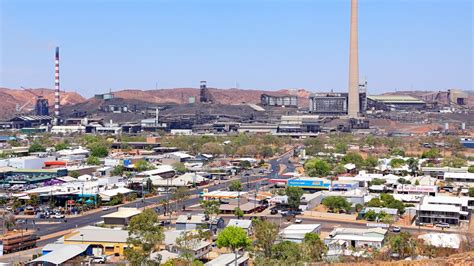
Mount Isa. Remote. Dusty. A mining town pulsating under the Queensland sun. Privacy? A luxury commodity. For some, the car becomes the only option – a metal cocoon for fleeting intimacy. It’s a practical reality, born of necessity in a place where houses are crowded, motels are watched, and the vast outback offers little cover. Yet, it’s fraught with complications. Legal grey zones. Safety risks. The ever-present gaze of a small community. This isn’t about glamour; it’s about the raw logistics of human connection in isolation. Let’s cut through the awkwardness and talk brass tacks.
Is Car Sex Actually Legal in Queensland, Particularly Near Mount Isa?
Generally illegal. Queensland law prohibits sexual acts in a public place or in view of the public. A car parked anywhere accessible, even seemingly deserted spots at night, qualifies as public space. It doesn’t matter if the windows are fogged or you *think* no one can see. If the act could potentially be observed, it’s likely an offence. Expect fines or worse.
Think that lookout point is private at 2 AM? Maybe. Probably not worth the gamble. Police patrols happen. Locals know those spots too. The “public place” definition is broad. A deserted industrial yard? Public. Near the Leichhardt River? Public. An isolated bush track? Tricky, but likely still public land. The law isn’t subtle here. Intent doesn’t matter much either. Getting caught means trouble – public indecency charges. The stigma in a town like Isa sticks. It’s a harsh reality. Some risk it anyway. Doesn’t make it smart. The legal risk is constant and non-negotiable.
Where Are the Most Secluded Spots Around Mount Isa for Car Intimacy? (Understanding the Risks)
No spot guarantees safety or legality. This is crucial. Any suggestion comes with massive caveats. Places people *sometimes* consider, despite the dangers:
- Outback Tracks West/North of Town: Heading towards Camooweal or the Barkly Highway. Miles of emptiness. But: Deep ruts, dust clouds signalling approach, potential breakdowns (deadly serious out there), and Aboriginal Lands requiring permits. Trespassing is a major issue.
- Old Mine Lookouts (Disused Sites): Some offer panoramic views, seemingly isolated. But: Unstable ground, security patrols (active or disused sites), and toxic remnants. Falling down a shaft isn’t romantic.
- Lake Moondarra Perimeter Roads (Late Night): Less frequented areas away from main picnic spots. But: Ranger patrols, fishermen starting early, and increased police presence near water sources. Visibility is higher than you think.
- Industrial Estates (After Hours): Seems deserted. But: Security cameras everywhere, shift workers coming/going unexpectedly, and well-lit perimeters. You’re on candid camera.
Honestly? Every spot sucks. The isolation that offers seclusion also means vulnerability. No phone reception. No quick help. If someone unwanted approaches – whether a cop, a security guard, or someone more sinister – you’re trapped in a metal box. It’s inherently risky. The “best” spot is arguably the one you don’t use. The trade-off isn’t worth it for most. Prevention beats desperate location scouting.
How Prevalent is Seeking Car Sex Partners via Dating Apps in Mount Isa?

It happens, discreetly. Apps like Tinder, Bumble, even niche ones are used. But the vibe is different. Subtlety is key. You won’t see blatant “car fun now” bios often. The small population means anonymity is fragile. People recognise cars, workplaces, profiles.
The transient worker population (fifos, contractors) drives a lot of this. Limited time. Limited private accommodation. Motels are expensive and lack anonymity. For them, the car is a practical, if imperfect, solution. Locals seeking discreet encounters might also explore this route, wary of town gossip. App conversations often move quickly to coded language or off-app messaging. “Netflix and chill?” takes on a literal, vehicular meaning here. But the fear of being recognised or catfished is real. Trust is hard-built and easily shattered in a community this size. It’s a high-stakes game of digital hide and seek.
What Are the Major Safety & Privacy Risks Specific to Car Encounters in Isa?
Beyond the glaring legal peril, the dangers are physical and psychological:
- Violence & Assault: Meeting a stranger in a confined, isolated space? High risk. Predators exploit this setup. Escape is difficult. Screams go unheard.
- Robbery & Theft: An easy target. Cash, phones, wallets, even the car itself.
- Vehicle Breakdown/Stranded: Remote locations + mechanical failure = potential disaster. Heat, dehydration, no communication. The outback doesn’t forgive.
- Exposure & Blackmail: Getting caught isn’t just legal trouble. Photos/videos taken surreptitiously can lead to humiliation, extortion, job loss in a town where reputation matters intensely.
- Wildlife & Environmental Hazards: Snakes, spiders, uneven terrain if you need to exit quickly. Dust storms reducing visibility to zero.
- Lack of Medical Help: If something goes wrong (injury, health issue), help is far away. Response times in remote areas are long.
Privacy is a myth. Headlights sweeping across you. The sound of another engine on the track. A dog barking in the distance. Every sense screams exposure. The anxiety undermines the very intimacy sought. It’s a fundamentally unsafe environment for vulnerability.
Are Escort Services a Safer Alternative to Random Car Encounters in Mount Isa?

Legally complex, potentially less risky physically, but far from “safe”. Prostitution itself is legal in licensed brothels in Queensland. Mount Isa has none. Independent escorting operates in a grey area, fraught with danger:
- No Legal Protection: Operating outside the licensed system means no oversight, no safety checks. Workers are vulnerable to violence, exploitation, and have little recourse.
- Unregulated & Unpredictable: “Services” advertised online are unverified. Scams, robberies, undercover police operations are real risks for both parties.
- Potential for Coercion: The illegal nature increases risks of trafficking or coercion.
- Still Risky for Clients: Robbery setups are common. Blackmail remains a threat. Health risks are significant without regulation.
While an arranged encounter *might* offer slightly more control than a random app hookup in a car (knowing who you’re meeting, agreeing on terms), it inherits all the risks of illegal activity plus the specific dangers of the Mount Isa context. Safer? Marginally, situationally. Actually safe? Absolutely not. The lack of a legal framework removes essential safeguards. It’s choosing between different types of hazard.
How Does Mount Isa’s Unique Demography (Mining, Transience) Impact This?

It defines it. The massive gender imbalance (predominantly male workforce). The transient population (fifos, short-term contractors). The isolation. The lack of affordable, private short-term accommodation. This creates a pressure cooker.
Privacy is scarce. Social options are limited. Loneliness is pervasive. The car becomes the default solution for many seeking connection or release, despite the risks. There’s a certain “live for now” attitude among some transients, amplifying risk-taking behaviour. Yet, the close-knit local community means secrets are hard to keep. What happens in the car doesn’t always stay in the car. Gossip travels at light speed down mine shafts and across pub counters. The demography fuels the demand while simultaneously making discretion incredibly difficult to maintain. It’s a town of contradictions – vast spaces yet claustrophobic social circles.
What Are Realistic, Discreet Alternatives to Car Sex in Mount Isa?

Facing the scarcity, here are marginally better, though still imperfect, options:
- Private Rentals (Whole Homes): Airbnb or private rentals offer actual privacy, but are expensive and scarce. Booking requires planning and discretion. Still the gold standard if achievable.
- Out-of-Town Trips: Driving to Cloncurry, Camooweal, or even further for a motel room. Adds travel time/cost, but offers legal privacy and reduces local recognition risk.
- Building Trust & Using Private Residences: For ongoing connections, developing trust to use someone’s home (when housemates are away, etc.) is vastly safer. Takes time and genuine connection.
- Adjusting Expectations: Accepting that genuine privacy for spontaneous encounters is extremely hard here. Prioritising emotional connection over purely physical encounters in risky settings. Focusing on social activities that don’t hinge on immediate private intimacy.
None are ideal solutions. They involve cost, effort, patience, or compromise. But they significantly reduce the immediate legal and physical dangers inherent in the car scenario. It’s about harm reduction, not finding a perfect answer. Mount Isa demands pragmatism, often at the expense of spontaneity.
What Essential Precautions Should You Take If Considering This (Despite Advice)?
Strongly advise against it. But if proceeding, absolute minimum precautions:
- Trust Your Gut: If anything feels off, abort immediately. No second chances.
- Meet Publicly First: Coffee, pub. Verify the person.
- Tell a Trusted Friend: Details: Who, where, car rego, expected return time. Check-in protocol.
- Location Sharing: Active GPS sharing with that friend during the encounter.
- Fully Charged Phone: With credit. Satellite phone if going truly remote (expensive but lifesaving).
- Vehicle Check: Fuel, tyres, water, basic tools. Don’t break down.
- Condoms & Protection: Non-negotiable. Carry them.
- Park for Escape: Don’t box yourself in. Face the exit route.
- Minimal Valuables: Leave wallet, excess cash, jewellery elsewhere.
- Abort Instantly: Headlights, sounds, unease – leave.
This isn’t a checklist for safety; it’s damage limitation. The risks remain unacceptably high. The consequences in Mount Isa – legal, social, physical – can be uniquely severe due to its remoteness and community dynamics. Seriously, just don’t. The potential fallout is disproportionate to the fleeting moment.
How Do Locals Generally View This Practice? Is There a Stigma?

Yes, significant stigma. Mount Isa is still, at heart, a conservative mining and pastoral community. Public sexual activity is frowned upon intensely. Getting caught “in the act” in a car is social dynamite.
Gossip spreads relentlessly. Judgement is harsh. It can impact employment, social standing, and relationships. The “small town effect” magnifies everything. While there might be an undercurrent of understanding about the *reasons* (lack of privacy), the act itself is rarely met with anything but disapproval or mockery. It’s seen as seedy, risky, and disrespectful. For locals, the fear of being recognised or having their car identified is a powerful deterrent. For transients, the risk is reputational damage within their company or industry circles. The stigma is a real, tangible social consequence adding another layer of risk to the legal and physical dangers. It’s not just about the law; it’s about living with the aftermath in a town that doesn’t forget.
Could Using a More Discreet Vehicle Help?
Marginally, maybe. A common sedan blends better than a bright pink ute or a company truck. Tinted windows offer *slight* visual obstruction but aren’t magic. Police know to look for fogged windows or rocking regardless of the vehicle. Locals recognise cars. An unfamiliar rental might draw *less* immediate local recognition but could attract police attention as “out of place.” It’s superficial camouflage. Doesn’t change the fundamental illegality or the risks of the location or the encounter itself. A Toyota Camry parked oddly at a lookout at midnight is still suspicious. Focus on the core problem, not the car model.
What About “Lovers’ Lanes” or Known Spots?
They exist. They are known. Therefore, they are patrolled. By police. By security. By bored locals. By people with bad intentions. Using a well-known spot is the opposite of discreet. It’s painting a target. The illusion of safety in numbers or common practice is dangerous. If everyone knows about it, so do the authorities and the troublemakers. Actively avoid these places. Their reputation makes them the most hazardous choices of all. Originality isn’t the goal; obscurity and legality are. Known spots offer neither.
Does Weather or Time of Year Make a Difference?
Weather impacts logistics, not legality or core risk. Summer heat makes a car unbearable fast – heatstroke risk is real. Wet season turns tracks to mud, risking getting bogged. Winter nights are freezing. Dust storms reduce visibility to zero – dangerous for driving, impossible for discretion. The core risks (legal, safety, violence) remain constant year-round. Cooler, clearer winter nights might be *more* popular, increasing the chance of being stumbled upon. There’s no “good” season for illegal, risky behaviour. The elements just add another layer of potential crisis.
Final Thoughts: The Mount Isa Reality

Car sex in Mount Isa isn’t a rebellious adventure; it’s a high-stakes gamble born of isolation and limited options. The legal risk is concrete. The safety hazards – violence, breakdowns, exposure – are severe and amplified by the remoteness. The social stigma is potent in this tight-knit community. While the demographic pressures are undeniable, the potential consequences dwarf the fleeting gratification.
Exploring genuine connections, investing in actual privacy (however difficult), or adjusting expectations are vastly preferable paths. If the urge overrides all caution, the precautions listed are bare minimum damage control, not a safety net. Understand this: in the vastness surrounding Mount Isa, that car offers only the illusion of privacy, masking a multitude of dangers. Choose wisely. The outback isn’t forgiving of mistakes, especially those made in the backseat.