
What Exactly is the BDSM Scene Like in Canberra?

Canberra’s BDSM scene is discreet, community-focused, and surprisingly active for a government town, operating primarily through private events, specialized online platforms, and small social gatherings (“munches”) rather than overt public venues. Forget Hollywood dungeons; here it’s more about connection than spectacle. The ACT’s relatively small population fosters tight-knit groups where trust and discretion are paramount. You’ll find diverse interests represented – from rigorous protocol-based dynamics to experimental rope artistry – often overlapping with adjacent communities like polyamory or LGBTQIA+ groups. The vibe? Intellectually engaged, safety-conscious, and wary of outsiders exploiting the scene. Summer brings outdoor play potential in secluded bushland spots, while winter drives activities indoors to private residences or occasional hired spaces. It’s less about grand dungeons, more about curated experiences. Finding it requires effort and social proof – gatekeeping exists, born from necessity.
How Does Canberra’s Scene Differ from Sydney or Melbourne?
Smaller scale intensifies focus on reputation management and personal accountability, making formal vetting processes at events and strong emphasis on consent protocols more pronounced than in larger cities. Less anonymity means actions have lasting consequences. The proximity to political power centers creates unique tensions – participants often navigate dual identities more carefully. Events skew smaller, more intimate, and discussion-focused rather than massive play parties. Accessing the community feels less like walking into a club, more like earning an invitation through consistent, respectful engagement. The academic and public service demographics influence the scene’s character – expect articulate negotiations and well-researched approaches to kink. Fewer dedicated commercial spaces exist, pushing organizers towards private homes or discreetly hired venues. Costs for events might be lower, but discoverability is the real challenge. It’s intense.
Where Can I Find BDSM Partners or Communities in Canberra Safely?

Specialized online platforms (FetLife, niche dating apps), curated local munches in neutral public venues like Civic cafes, and private play parties accessible via community vetting are the primary channels. Cold approaches in mainstream bars? Almost guaranteed failure. Safety starts with online research: FetLife remains the central hub for Canberra groups (search “ACT Munch,” “Canberra Kink Collective”). Attend munches – low-pressure meetups in plain sight, often at cafes in Braddon or Kingston. Observe interactions. Listen more than talk initially. Reputation builds slowly. Avoid immediately soliciting play partners; focus on being a respectful community member first. Apps like Feeld or KinkD see Canberra activity, but profiles often prioritize discretion. Warning: Fake “doms” and predatory individuals exploit newcomers – verify through mutual connections. Genuine players value patience and demonstrated understanding of RACK (Risk-Aware Consensual Kink) or PRICK (Personal Responsibility, Informed Consensual Kink). Trust is currency here.
Are There Specific Dating Apps or Sites Popular for BDSM in the ACT?
FetLife (profile-based networking), Feeld (app for ethical non-monogamy/kink), and occasionally Recon (for kinky gay/bi/trans men) see the most legitimate Canberra activity. Tinder or Bumble? Possible, but requires subtle signaling (black rings, clever bio hints) and immense patience. Feeld allows profile linking with partners and detailed desire lists, making intentions clearer. FetLife isn’t primarily a dating site – treat it like LinkedIn for kink: join ACT-specific groups, engage in discussions, announce munch attendance. Avoid cold “wanna dom me?” messages. Recon focuses on leather, fetish, BDSM for queer men. Scams proliferate on generic sites; requests for money or immediate off-platform moves are huge red flags. Paid escort services operate separately and advertise on adult directories – not a pathway into the consensual community scene. Legit players won’t demand secrecy that isolates you.
What are “Munches” and How Do I Find Them in Canberra?
Munches are casual, vanilla-clothed social meetups for kinksters in public places like cafes (think Lonsdale Street Roasters or Highroad in Dickson), acting as low-barrier entry points focused on conversation, not play. They demystify the community. Finding them requires FetLife sleuthing: search “Canberra Munch,” “ACT Social,” or similar terms. Event listings detail the exact location (often shared privately after initial contact) and etiquette. Key rules: Absolutely no play or fetish wear (dress normally!), respect privacy (no outing others), consent applies to conversations too. Attend simply to meet humans. Introduce yourself to organizers early. First timers are common – expect curiosity, not judgment. Topics range from movies to complex SSC negotiation techniques. It’s networking disguised as coffee. Regular attendance builds the recognition needed for invites to private events. Skip if you expect a fetish showcase.
How Important is Safety and Consent Within Canberra’s BDSM Context?
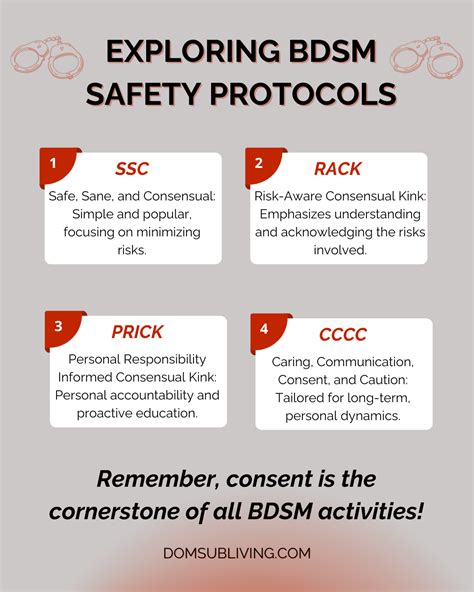
Non-negotiable and rigorously enforced through community standards, mandatory negotiations before play, designated Dungeon Monitors (DMs) at events, and swift collective action against violators. ACT’s scene prioritizes safety due to its size and the high stakes of participants’ professional lives. Consent is explicit, ongoing, and informed – “maybe” means no. Negotiations cover acts, limits, safewords (often “red”/”yellow”/”green”), aftercare needs, and health disclosures. Events have strict codes of conduct and DMs who intervene if play appears non-consensual or unsafe. Violations result in blacklisting – Canberra gossip travels fast. Resources like the Kink Aware Professionals list (findable via AASECT or local groups) help locate kink-friendly therapists or doctors. Understanding legal boundaries is crucial too; while consensual BDSM isn’t illegal, ACT laws on assault apply, and proving ongoing consent is complex. Documenting negotiations (even via text) isn’t paranoid. Aftercare – emotional and physical support post-scene – is considered essential, not optional. Ignoring it damages reputations permanently.
What Legal Boundaries Should I Be Aware of Regarding BDSM in the ACT?
Key ACT legal considerations include strict assault laws (regardless of consent in extreme cases), potential obscenity charges for public acts, privacy laws regarding image sharing, and regulations impacting sex work or paid domination services. Australian law, including ACT legislation, doesn’t explicitly legalize BDSM. Consent can be a defense to assault charges, but prosecutors and courts may view injuries from severe impact play or breath control as exceeding what consent can justify. Public play risks indecency charges. Recording or sharing images without explicit, documented consent violates privacy laws and is aggressively policed within the community. Sex work is decriminalized in the ACT, but specific BDSM services offered commercially fall under complex regulations requiring licensing and health checks. Private, non-commercial play between consenting adults in discreet locations faces the least legal risk, but the line remains blurry. Know the risks. Consult legal resources like Legal Aid ACT or community-compiled guides for nuanced advice. Silence isn’t protection.
Are There Reputable Events, Workshops, or Venues for BDSM in Canberra?

Yes, but access is earned, not bought: look for skill-share workshops (rope bondage, flogging technique), discussion nights, and private play parties hosted in residences or discreetly hired venues, found via FetLife or community referral. Public dungeons don’t exist like in Sydney. Events are typically announced within closed groups after organizers vet attendees. Workshops (e.g., on Shibari, negotiation skills, first aid for kink) are excellent entry points – they prioritize education and attract respectful crowds. Search FetLife groups for “Canberra Rope Dojo” or similar. Discussion nights might focus on power exchange dynamics or ethical non-monogamy. Private play parties require an invitation, often contingent on being known from munches or workshops. Venues rotate – private homes, occasionally hired community halls or discreet rural properties. Costs usually cover hire fees/food, not profit. Themes vary. Emphasis is always on safety, consent, and community norms. Commercial “dungeons” operate in the escort space, separate from the community scene. Expect vetting questionnaires for private events. Your online footprint matters.
Can I Find Professional Dominants or Escort Services Offering BDSM in Canberra?
Yes, legally licensed sex workers in the ACT offer BDSM services, found through reputable directories like ScarletBlue or EscortsAndBabes, but this exists separately from the consensual community scene and focuses on commercial transactions. ACT’s decriminalization model allows sex workers to legally offer BDSM as part of their services. Reputable providers advertise clearly, state rates upfront, screen clients, operate from safe incall locations or outcalls, and prioritize professional boundaries. Expect to verify your identity and respect their rules. Costs vary significantly based on experience, duration, and services. This is a paid professional service, not a pathway into the social BDSM community. Distinguish this from “findoms” or online-only dynamics, which have different risks. Community players generally frown upon conflating pro-dom work with their private dynamics. Research providers thoroughly – check reviews, websites, social media presence for legitimacy. Avoid anyone demanding deposits via sketchy methods or refusing screening. Trust your gut.
How Do I Navigate BDSM Dating or Finding a Partner Ethically in Canberra?
Prioritize transparency about desires and limits, invest time in community integration to build trust, understand that kink compatibility ≠ relationship compatibility, and respect that “No” is a complete sentence at any stage. Forget the fantasy of instantly finding your perfect dom/sub. It’s messy human connection. Start with self-awareness: What do you *really* want? Exploration? 24/7 power exchange? Casual play? Be honest in profiles and conversations. Engage with the community authentically – attend munches, contribute positively. Potential partners observe how you interact with others. Negotiation is paramount: Discuss hard/soft limits, safewords, health (physical/mental), aftercare needs, and relationship expectations (casual, poly, monogamous) *before* playing. Move slowly. “Sub frenzy” or “dom ego” leads to bad decisions. Rejection happens; handle it gracefully. Respect differing approaches to kink – don’t yuck someone’s yum. Protect your privacy but avoid deceit. Ethical non-monogamy (ENM) is common; clarify relationship structures early. Ghosting after intense play causes real harm. Aftercare is part of the deal. It’s work. Rewarding, complex work.
What Are Common Mistakes Newcomers Make When Seeking BDSM in Canberra?
Top errors include: demanding play immediately online/at munches, ignoring consent protocols, neglecting aftercare, treating potential partners as kink dispensers, faking experience, and underestimating the importance of reputation and discretion in a small city. The cringe is real. Arriving at a munch and propositioning strangers guarantees isolation. Online messages like “I need a domme to control me, message me” get ignored or mocked. Faking expertise (“Oh yeah, I’m an experienced rigger”) risks serious physical and emotional harm – admit you’re new. Skipping negotiation or safeword discussion is unforgivable. Treating submissives as service objects or dominants as kink vending machines destroys trust. Disregarding aftercare (“I came, bye!”) marks you as unsafe. Gossiping or outing others annihilates reputation instantly. Expecting instant access to private parties without putting in the social groundwork shows entitlement. Using the scene solely for hookups without valuing community connection gets noticed. Discretion is paramount – Canberra is small. Photos from events shared publicly ruin lives. Learn the norms before diving in. Lurk more, post less initially. Ask thoughtful questions. Listen.
What Resources Exist for Support, Education, or Connecting in Canberra?

Core resources include dedicated FetLife groups (“Canberra ACT Kinky People,” “ACT Munch”), occasional workshops hosted by experienced practitioners, national organizations like the Australian Kink Community (AKC) for broader info, and kink-aware professionals (therapists, doctors) listed via AASECT-affiliated directories. FetLife is the indispensable starting point – join local groups, read posts, learn event schedules. Workshops, though sporadic, are goldmines; watch group announcements. The AKC website offers educational articles and event listings across Australia. Finding kink-aware therapists is crucial for navigating complex dynamics; search directories on the Society of Australian Sexologists (SAS) or AASECT websites. ACT-specific sexual health services like Canberra Sexual Health Centre are experienced with diverse practices. Online forums (e.g., Reddit’s r/BDSMCommunity) offer general advice but lack Canberra nuance. Build a personal network slowly through munches – trusted connections are your best resource for vetting partners, finding events, and getting support. Documentaries or books provide foundation, but local context is irreplaceable. Beware outdated online info. Verify everything.
How Do I Deal with Stigma or Privacy Concerns in a Government Town?
Employ compartmentalization (strict separation of kink life/public life), rigorous digital opsec (separate emails/FetLife profiles, no identifiable photos), selective disclosure, and leverage Canberra’s inherent respect for privacy within trusted circles, while acknowledging the real risks. Canberra thrives on secrets. Use pseudonyms consistently in scene spaces. Burner emails. Keep FetLife profiles devoid of identifiable details (job, specific suburb, unique tattoos). Avoid location tagging. Discuss disclosure strategies with partners. Trust is earned incrementally. Understand workplace policies – some government roles have strict social media/association clauses. The small-town effect is real; bumping into colleagues at Bunnings is more likely than at a play party, but the fear persists. Develop plausible deniability strategies. Support networks within the scene are vital for navigating anxiety. Kink-aware therapists help manage stigma’s psychological toll. While most fear is outsized, the potential professional consequences aren’t zero. Balance caution with living authentically. It’s exhausting, necessary work. Choose your confidantes wisely.