
Navigating Asian Dating in Fort Erie: Contexts, Connections, and Considerations

Fort Erie, nestled on the Niagara Frontier, presents a distinct microcosm for Asian dating. It’s proximity to Buffalo, NY, and its own evolving demographics create a landscape where traditional expectations often meet contemporary Canadian realities. This guide delves into the practicalities, cultural textures, and unspoken rules shaping romantic and sexual connections within the Asian community here. Expect blunt truths, local specifics, and a focus on navigating this space with eyes wide open.
Where can I realistically meet Asian singles interested in dating or relationships in Fort Erie?

Fort Erie’s smaller size means meeting Asian singles often requires leveraging nearby hubs and digital tools. Buffalo’s larger Asian population and venues significantly influence local dating pools. Mainstream apps like Tinder and Bumble see use, but niche platforms like EastMeetEast or Dil Mil often yield better cultural alignment. Locally, community events at the Fort Erie Multicultural Centre or cultural festivals occasionally held in nearby Niagara Falls offer organic meeting points. Some local bars popular with the cross-border crowd, especially on weekends, become inadvertent meeting spots. Honestly? The digital avenue often proves more efficient here than hoping for a chance encounter at the Peace Bridge Duty Free.
The scarcity intensifies the focus on nearby cities. Buffalo’s Elmwood Village or Allentown districts, with their eclectic mix of cafes and bars, attract a younger, diverse crowd including Asian Canadians and Americans. University events at Brock or Buffalo State can be fruitful, albeit requiring a short drive. Persistence is key – and sometimes accepting that the “local” scene stretches 30 minutes across the border. It’s a numbers game amplified by geography.
Are there specific social groups or activities favored by the Asian community here?
Organized community groups are limited but growing, often centered around shared language or national heritage. Look for informal gatherings organized through WeChat groups focused on the Niagara region – these range from hiking trips to casual dinners. Karaoke nights, a staple in broader Asian social culture, sometimes pop up in Niagara Falls venues rather than Fort Erie proper. Sports leagues, particularly badminton or basketball, attract participation but aren’t exclusively Asian-focused. Food becomes a connector: sharing a meal at a well-regarded Asian restaurant (even if it means driving to St. Catharines or Hamilton) is a common social lubricant.
How do cultural backgrounds influence dating expectations and sexual relationships?

Cultural heritage profoundly shapes approaches to intimacy, commitment, and family involvement, creating potential friction points. Traditional values emphasizing family approval, long-term stability, and defined gender roles persist, especially among first-generation immigrants or those with strong familial ties. Contrast this with the more individualistic, casual dating norms prevalent in wider Canadian culture. This clash manifests subtly: a partner might be open sexually but hesitant to introduce you to parents for years, or prioritize career stability over passionate romance. Generational differences are stark – second-gen individuals often navigate a complex hybrid identity. Communication about these unspoken expectations isn’t optional; it’s survival. Failure to acknowledge this leads to spectacular misunderstandings. Period.
Is the concept of dating purely for sexual compatibility accepted?
Views vary dramatically, often split along generational and acculturation lines. Younger, more Westernized individuals are generally more open to relationships focused on sexual exploration or compatibility without immediate long-term commitment. However, residual cultural conservatism, particularly regarding women’s sexuality, can create internal conflict or judgment. Openly seeking purely sexual relationships carries more potential stigma within traditional community circles than in the broader Fort Erie population. Discretion often becomes paramount for those pursuing this path while maintaining community standing. It’s a tightrope walk between desire and reputation.
What legal and safety considerations exist regarding escort services in the area?

Canada’s laws focus on criminalizing the purchase of sexual services and third-party exploitation, not the selling itself by consenting adults. However, solicitation in public spaces or operating bawdy houses (brothels) remains illegal. Fort Erie, being smaller and quieter, has less visible street-based activity compared to larger centers. Most arrangements migrate online to dedicated review boards and discreet escort directory sites. Safety is the non-negotiable priority: screening clients rigorously, meeting initially in public spaces (like a coffee shop near the QEW), informing a trusted contact of whereabouts, and trusting instincts are essential practices. The legality is murky water; the risks are concrete. Violence, theft, and law enforcement stings are real dangers. Ignoring them is folly.
Reputable independent providers or small, well-managed agencies operating online tend to offer safer environments than street-based or illicit massage parlors, which can be fronts for exploitation. Research is crucial – look for established online presence, consistent reviews, and clear communication about boundaries and services. Never compromise on condom use or personal safety protocols. Ever.
How can I verify the legitimacy and safety of an escort service?
Deep online research using established review forums is the primary vetting tool. Look for consistent positive feedback over time, detailed reviews mentioning safety practices, and responsive communication from the provider or agency. Avoid services with no digital footprint, prices drastically below market rates, or pressure for immediate cash deposits without screening. Legitimate providers prioritize their safety too – they will have their own screening processes. Meeting demands for unprotected services is a glaring red flag. If it feels rushed, pressured, or secretive, walk away. Your health and safety aren’t negotiable line items.
What are the ethical implications of seeking commercial sexual services?
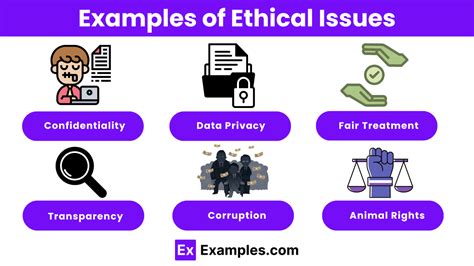
Engaging with the sex industry involves navigating complex ethical terrain concerning autonomy, exploitation, and personal values. The core principle is ensuring the provider is a consenting adult exercising genuine autonomy. The Canadian model aims to protect sellers while discouraging buyers, creating inherent tension. Critically, be aware that trafficking and coercion exist, often targeting vulnerable individuals, including some immigrants. Seeking services from established, independent providers who clearly control their own business minimizes (but doesn’t eliminate) the risk of contributing to exploitation. It demands conscious consumerism: asking uncomfortable questions of yourself about power dynamics and potential harm. Turning a blind eye isn’t neutrality; it’s complicity. Can you be certain the person isn’t coerced? Truly? The answer often involves uncomfortable uncertainty.
How does Fort Erie’s location impact the dating and adult service scene?

Proximity to the US border creates unique dynamics, including transient populations and cross-border influences. The flow of people between Fort Erie and Buffalo means dating pools aren’t strictly confined by the national border. Some seek partners or services across the line, adding logistical and legal complexities (e.g., crossing for dates, differing US laws on prostitution which vary by state). Border wait times can literally kill spontaneity. Conversely, the relative quiet of Fort Erie compared to Niagara Falls or Toronto can make discreet encounters logistically simpler locally, but the smaller population limits options significantly. It’s a double-edged sword: accessibility to larger markets versus local scarcity.
Seasonal tourism in the Niagara region brings temporary influxes, impacting app activity and the visibility of certain services, but rarely translates into meaningful local dating opportunities for residents seeking sustained connections. Winter isolation versus summer bustle creates rhythmic shifts in social interaction density.
What are effective communication strategies for navigating cultural differences?

Directness tempered with cultural sensitivity is paramount; assumptions are relationship poison. Western directness about desires, especially sexual ones, can clash with Asian communication styles valuing indirectness and saving face. Bridge this by being clear about your own needs while actively seeking clarification: “I value openness about physical compatibility; how do you prefer to discuss these things?” Actively listen for non-verbal cues and read between the lines. Understand that ‘maybe’ often means ‘no’, and silence doesn’t equal consent. Patience is not just a virtue; it’s a requirement. Educate yourself on basic cultural norms of your partner’s specific background (e.g., Chinese vs. Filipino vs. Korean expectations differ significantly). Don’t exoticize; humanize. Miscommunication isn’t cute; it’s corrosive. Address it early or watch things unravel.
How important is family approval in serious relationships here?
For many, especially first-generation immigrants, family approval remains a significant, sometimes decisive factor. Ignoring this reality is naive. Families often prioritize stability, shared cultural values, educational background, and perceived ‘good character’. While outright arranged marriages are rare, strong familial influence on partner choice is common. Gaining approval involves demonstrating respect, seriousness of intent, and compatibility with family values. For relationships involving commercial services, absolute discretion from family is typically non-negotiable. The weight of family opinion varies, but dismissing its potential impact is a strategic error.
What resources exist for support or reporting exploitation?

Specialized local resources in Fort Erie are limited; reliance on regional or national services is common. The Niagara Regional Police Service handles local law enforcement. For victims of exploitation or trafficking, national organizations like the Canadian Centre to End Human Trafficking (hotline: 1-833-900-1010) or Peel Regional Police’s Project Protect (focused on online exploitation) offer support channels. The Barbra Schlifer Commemorative Clinic in Toronto provides legal and counseling support specifically for women experiencing violence, including sexual exploitation. Locally, the Fort Erie Women’s Place offers crisis support but may have limited specialized trafficking expertise. Reporting requires immense courage; support systems, while imperfect, exist. Silence protects perpetrators.
Conclusion: Navigating Complexity with Eyes Wide Open

Asian dating in Fort Erie exists within overlapping spheres: cultural tradition, modern Canadian realities, geographic constraints, and personal desire. Success – whether seeking genuine partnership or consensual adult arrangements – hinges on cultural awareness, clear communication, unwavering safety practices, and ethical awareness. The smaller community amplifies both challenges and the need for discretion. Buffalo’s proximity offers options but adds complexity. Understand the legal landscape, especially concerning commercial services, and prioritize safety above all else. Approach cultural differences not as barriers but as facets requiring understanding and respect. Fort Erie’s scene is niche, demanding patience and adaptability. Proceed with clarity, caution, and above all, respect for the humanity of everyone involved. The connections made, fleeting or lasting, depend on it.