
The Unspoken Landscape: Navigating Age Gap Dating in Canberra
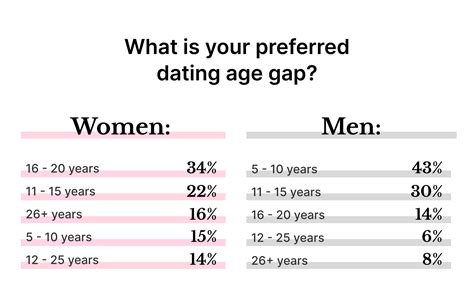
Canberra. Planned, orderly, political. Beneath that surface lies a complex human tapestry, including relationships defying conventional age expectations. Finding connection across generations here involves unique challenges, opportunities, and yes, sometimes transactional elements. It’s messy. Real. Let’s map it.
What exactly defines “age gap dating” in Canberra?
An age gap relationship in Canberra typically involves partners with a 10+ year difference, navigating dynamics amplified by the city’s specific social and professional environment. It’s not just the number. Context matters intensely here. Think public servant meets uni student. Established professional and aspiring artist. The power differentials, life stages, social circles – they clash and meld in ways unique to this town. Forget simple labels. Motivations range wildly: genuine emotional connection, mentorship, financial support, sexual exploration, companionship against isolation. Sometimes all at once. Canberra’s small-town-in-a-city vibe means discretion often trumps openness. People talk. Especially here. You see it in the quiet corners of bars in Braddon, the discreet dinners in Manuka. Judgment exists. Subtle, sometimes not. The ACT’s progressive laws around personal relationships create a paradox – legal freedom tangled with social conservatism bubbling under.
Is there a “typical” age gap scenario here?
No single scenario dominates, but patterns emerge: older men/younger women remains most visible, though older women/younger men and same-sex age gap dynamics are increasingly present. Visibility doesn’t equal prevalence. The high concentration of affluent, often older, professionals (APS, defence, academia) intersects with a transient younger population (students, early career). This fuels certain arrangements. Sugar dating platforms see activity linking established Northsiders with students from the ANU or UC precincts. But genuine connections blossom too – shared niche interests found through Meetup groups, art openings at the NGA. The “why” is deeply personal. For some older Canberrans, it’s escaping the bubble of their generation. For younger ones? Maybe stability, maybe just raw attraction. Trying to box it is pointless. Feels artificial.
How does Canberra’s culture specifically impact this?
Canberra’s insularity and professional intensity amplify both the appeal and the stigma of age gap relationships. The city thrives on networks. Reputation. This pressures people towards discretion. Meeting someone significantly older or younger at the Hyatt bar might raise eyebrows among colleagues spotted nearby. Yet, that same insularity breeds loneliness. Deeply. For older residents whose social circles have shrunk, or younger transplants struggling to connect beyond uni, the *idea* of connection outside their immediate cohort becomes potent. The city’s formality can make genuine, relaxed connection harder to find. Sometimes the age gap itself becomes the icebreaker, the shared “secret” against the sometimes-sterile Canberra backdrop. It’s a tension. Constantly.
Where do people seeking age gap connections actually meet in Canberra?

Beyond mainstream apps, niche platforms, specific social venues, and discreet networks facilitate age gap connections in Canberra. Tinder and Bumble exist, sure. But filters only get you so far. Intent matters. Platforms like Seeking Arrangement (sugar dating) and websites catering to mature connections (e.g., OurTime, SilverSingles) see Canberra traffic. Location is key. Bars with a mixed crowd and later hours? Knightsbridge Penthouse (despite the name), Molly, even the quieter ends of Hippo Co. Certain cafes – Highroad in Dickson on a weekday afternoon, Lonsdale Street Roasters – become inadvertent hubs. Social groups? Surprisingly, things like bushwalking clubs or ACT Woodcraft Guild events attract diverse ages, allowing organic connections. Word-of-mouth and established networks among certain demographics (e.g., within the APS or defence communities) play a role, often shrouded in plausible deniability. Reddit communities (r/r4rCanberra, r/AgeGapPersonals) host local posts, fraught with risk but used. It’s fragmented. You need local knowledge.
Are mainstream dating apps useless for this?
Not useless, but inefficient; success requires strategic filtering and clear, often bold, profile signalling. Swiping endlessly hoping for a 20-year gap is draining. Wastes time. Savvy users get specific in bios: “Interested in connecting with mature individuals” or “Young professional seeking experienced perspectives.” Filtering by age range widely helps, but expect mismatches. The key is unapologetic clarity *and* understanding Canberra’s smaller pool. You might see the same profiles reappear. Patience wears thin quickly. Niche platforms or real-world venues often yield better signal-to-noise ratios for specific intent. Mainstream apps feel like shouting into the void sometimes. Canberra’s void is smaller, but echoey.
What about niche websites or sugar dating platforms?
Platforms like Seeking Arrangement have active Canberra user bases, facilitating mutually beneficial arrangements, but require careful navigation and realistic expectations. Seeking (formerly Seeking Arrangement) is the elephant in the room. Profiles range from university students explicitly seeking financial support for expenses (hello, Canberra rents!) to successful professionals desiring companionship without traditional relationship pressure. Terminology matters: “Benefit” often means financial support, allowances, gifts, or experiences. It’s transactional by design, though genuine connections can emerge. Risks? Scams abound. Timewasters. People misrepresenting intentions. Safety is paramount – initial meetings *always* in very public Canberra spots (think busy cafes in Civic or Kingston Foreshore, never secluded). Manage expectations: not every older user is a millionaire, not every younger user is a model. It’s a marketplace. Harsh, but true. Other sites (SugarDaddyMeet, Established Men) exist but have smaller footprints here. Feels more manageable than Sydney, perhaps. Less chaotic.
How do escort services fit into Canberra’s age gap dynamic?

Decriminalised sex work in the ACT provides a legal framework, with some seeking escorts for age-specific fantasy fulfilment or guaranteed discretion, distinct from dating. This needs absolute clarity. Sex work is decriminalised in the ACT. Brothels operate legally, as do independent escorts. Some clients seek escorts specifically because of an age preference – perhaps an older man desiring a younger companion for an event, or someone craving intimacy with an older woman. It fulfils a specific, often time-bound, need. It’s commercial. Not dating. The lines blur dangerously when people confuse transactional escort services with sugar dating or genuine age gap relationships seeking emotional connection. Key differences: Escorts offer a paid service for time and companionship/intimacy, clearly bounded. Sugar dating implies an ongoing arrangement with mutual benefits that *may* include financial support but often involves emotional components. Genuine dating seeks emotional partnership first. Mistaking one for the other leads to hurt. Exploitation. Canberra’s legal framework (Sex Work Act 1992) protects *legal* sex workers but doesn’t erase the potential for grey areas or emotional complexity in other arrangements. SWOP ACT is the key resource for workers.
What are the legal boundaries for escorts regarding age in the ACT?
The legal age to work as an escort or visit one in the ACT is 18; strict proof of age is mandatory, and coercion is illegal. This is non-negotiable. Eighteen. Full stop. Reputable agencies and independent workers rigorously verify age. Anyone appearing younger? Verified. Clients are also vetted. The decriminalised model aims for safety and regulation. However, the law focuses on the act of sex work itself. An “age gap” in this context is simply a preference within legal adult interactions. It doesn’t change the core commercial nature. Seeking someone who *looks* underage, even if verified 18+, ventures into ethically murky territory, heavily stigmatised. Canberra’s enforcement focuses on coercion, trafficking, and illegal operations – not consensual adult transactions meeting legal criteria. It feels clinical because it is. Boundaries are sharp here.
Can sugar dating cross into illegal escort territory?
Yes, if the arrangement becomes solely a direct cash-for-sex transaction without the implied ongoing relationship or other benefits, it risks being classified as illegal sex work under certain interpretations, though enforcement is complex. The grey area is vast and treacherous. Sugar dating thrives on ambiguity. “Allowances” for “time and companionship.” When does “companionship” explicitly mean sex, paid for per meeting, with no other relational context? That’s escorting. The law cares about the *nature* of the agreement, not the label. If it walks and talks like a direct commercial sex transaction, it might be legally construed as one, regardless of the “sugar” label. Prosecution is rare for genuine consenting adults in private, but the risk exists, creating anxiety. Many sugar relationships in Canberra deliberately cultivate emotional connection, mentorship, or social benefits to maintain plausible deniability and distance from pure sex work legislation. It’s a tightrope walk. Exhausting for everyone involved. Honestly? Often not worth the legal fog.
What are the biggest challenges in Canberra’s age gap dating scene?
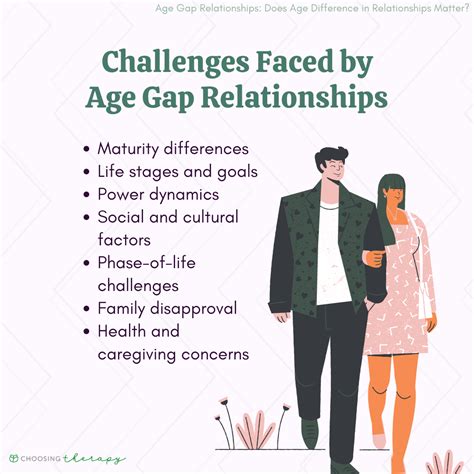
Stigma, power imbalance management, finding authentic connection amidst transactional noise, and Canberra’s inherent social scrutiny top the list. The whispers. The assumptions. “Gold digger.” “Midlife crisis.” “Daddy issues.” Canberra’s close-knit professional circles amplify this. Managing power dynamics is constant – financial, social, life experience. Does the younger partner feel truly equal? Can they say no? Authenticity drowns easily. Is attraction genuine, or driven by financial need or a desire for status? The prevalence of sugar dating and escort services casts a shadow, making genuine connection harder to establish and trust. Then there’s Canberra itself. Bumping into your younger date’s lecturer at the markets. Your older partner knowing your boss. Logistics get complex. Where do you go? Kingston Foreshore feels exposed. Belconnen might be too far. Discretion becomes a prison. Loneliness persists even together. It’s heavy.
How do power imbalances manifest specifically here?
Canberra’s high cost of living and career-centric culture exacerbate financial and social power differentials in age gap relationships. Rent. It’s insane. A younger partner struggling financially becomes incredibly vulnerable if reliant on an older partner for housing or basics. The older partner holds immense leverage, consciously or not. Socially, the older partner’s established network (APS, diplomatic circles) can feel impenetrable, leaving the younger partner isolated or feeling like an accessory. Career advice can slip into control. “I know the Assistant Secretary, let me make a call…” sounds helpful, but undermines autonomy. In transactional arrangements (sugar), the power lies entirely with the benefactor until the agreement is formalised – which it rarely is. Canberra’s specific pressures – job stability, security clearances – add layers of potential coercion or secrecy demands. The imbalance isn’t always malicious. Often it’s structural. Invisible. Until it isn’t.
Is genuine connection possible, or is it all transactional?
Genuine connection is absolutely possible, but requires conscious effort to navigate around the prevalent transactional models and societal skepticism. It happens. You find someone. The age fades. You talk for hours. Share stupid jokes. Feel understood in ways your peers never managed. Maybe it’s shared love for Tidbinbilla hikes, or niche policy debates, or the Brumbies. The connection feels real, untethered to money or status. But the *noise* is constant. Friends question motives. Family disapproves. The ease of transactional options (sugar sites, escorts) creates cynicism, making it harder to trust pure intentions on either side. You constantly second-guess: “Do they *really* like me, or is it the security/my lifestyle?” Building trust requires radical honesty and vulnerability, actively dismantling the power structures inherent in the gap itself. It’s harder work. Much harder. But when it clicks? It silences the noise. Briefly.
What safety considerations are paramount for age gap dating in Canberra?
Verification, public initial meetings, clear communication of expectations, financial caution, sexual health, and trusting gut instincts are non-negotiable. Safety isn’t optional. It’s foundational. First meetings? Always public. Busy. Think Civic Library courtyard, not a secluded park in Weston Creek. Verify identities subtly – a LinkedIn glance, mutual friends if possible. Communicate expectations brutally clearly upfront. Is this casual? Seeking relationship? Open to financial support? Ambiguity breeds danger. Financially? Never share sensitive details early. Never feel pressured into financial dependence quickly. Sexual health – regular STI checks are essential, condoms non-negotiable regardless of age or perceived trust. Gut feeling screaming? Listen. Leave. Canberra has resources: Rape Crisis Centre ACT, DVCS. Have their numbers saved. For escorts, use only licensed brothels or well-reviewed independents with clear screening processes. SWOP ACT offers safety resources. Complacency kills.
Are there unique safety risks with sugar dating or escorts?
Yes, heightened risks of financial scams, coercion, blurred consent, and potential exposure due to the transactional nature and Canberra’s small size. Sugar dating: Promises of lavish allowances vanish after intimacy. Blackmail threats leveraging the arrangement’s secrecy (“What will your security clearance sponsor think?”). Coercion to perform acts beyond agreed comfort. Escorts: Robbery set-ups, violent clients (though regulated brothels mitigate this significantly), law enforcement confusion despite legality (rare, but stressful). For both, Canberra’s size is a double-edged sword. Discretion is desired, but anonymity is near impossible. Someone *will* recognise you eventually. The risk of social or professional exposure adds a layer of pressure potentially exploited by malicious actors. Financial transactions leave trails. Electronic payments can be traced. Cash feels safer but carries its own risks. Due diligence is exhausting but critical. Assume nothing.
How important is sexual health in this context?
Critical; diverse partners and potential power dynamics increasing risk necessitate rigorous, non-negotiable safe practices and regular testing. Age gaps don’t cause STIs. Behaviour does. Multiple partners, sometimes concurrent arrangements (common in sugar/escort spheres), inconsistent condom use due to pressure or perceived trust – these elevate risk significantly. Older partners might have longer sexual histories, younger partners might take more risks. Power dynamics make insisting on condoms harder for the less empowered partner. Regular, comprehensive STI screenings (every 3-6 months depending on activity) are essential baseline self-care. Canberra Sexual Health Centre (CSHC) offers confidential, non-judgmental testing. Talk about status openly with partners, however awkward. Your health isn’t a negotiation. Ever. Ignoring this is playing Russian roulette with your wellbeing. Pointless risk.
What’s the future of age gap dating in Canberra?
Increasing visibility but persistent challenges; niche platforms will evolve, societal acceptance may slowly grow, but core issues of power and authenticity remain. It’s not disappearing. If anything, as dating norms fragment globally, Canberra will follow, lagging slightly. More platforms catering to specific age preferences will emerge or adapt. Social attitudes? Glacially slow to change here. The “Canberra Cringe” extends to personal lives. Expect continued whispers, judgment. But younger generations are generally more accepting, which offers a sliver of hope. The real battle is internal to the dynamics themselves. Can we find ways to mitigate inherent power imbalances? Foster genuine connection amidst the noise of transaction? Technology won’t solve that. Only conscious effort, brutal honesty, and a commitment to mutual respect can. Canberra, with its unique pressures, will always make it a complex dance. Tense. Uncertain. But for those drawn to it? Compelling enough to keep trying. Human connection, however complicated, finds a way. Even here.