
Where can I meet Asian singles in Fort St. John?

Fort St. John offers limited but specific venues: Focus on community events like the FSJ Multicultural Festival, Northern Lights College student gatherings, or cultural nights at pubs like Charlie’s. Apps become essential here. Honestly? The grocery stores – Save-On-Foods, especially – see more organic mingling than you’d think on weekends.
The city’s transient energy, driven by oil and gas workers, creates a fluctuating scene. Weekends feel different. You might find unexpected connections at the Totem Mall food court or quieter coffee shops like the Lido. Rotary Lake in summer? Surprisingly social. Forget expecting dedicated “Asian” spots. It’s about spotting opportunities within existing spaces. Community Facebook groups (“Fort St. John Community Board”) sometimes have local meetup posts. The key is visibility and patience. You won’t find a bustling Koreatown. Adapt. Look for the subtle signs – the group speaking Tagalog near the produce, the student studying Mandarin flashcards at Tim Hortons. It’s fragmented. Requires active, persistent effort.
Are dating apps even worth using in Fort St. John?
Yes, but manage expectations fiercely: Tinder, Bumble, and Hinge see moderate use, but the pool is shallow. Expand to niche apps like EastMeetEast or Dil Mil. Set your location radius wide – Dawson Creek feels close up here. Profiles get recycled fast. Don’t take ghosting personally; the transient population means people vanish literally overnight for work. Photos matter intensely here – show your connection to the North (fishing, snow) *and* cultural pride. Skip the generic city skyline pics.
Messaging needs directness. None of that “Hey, how’s your week?” fluff. Lead with something specific: “Saw your pic at Charlie Lake – ever tried ice fishing there?” or “Noticed you like K-dramas – brutal wait for new episodes, right?”. The small-town effect amplifies everything. Rumors spread. Your profile *will* be seen by acquaintances. Authenticity trumps curated perfection. Weekday evenings show more active users. Be prepared for cycles of scarcity. Some weeks, nada. Then suddenly, three potential matches. It’s boom and bust, mirroring the oil patch.
How does dating culture differ for Asians in Fort St. John?

Isolation intensifies cultural dynamics: Expect heightened family scrutiny if your family is local. The smaller community magnifies perceptions. Dating interracially? More common than in big cities, but also subject to small-town curiosity or outdated views. Pressure to assimilate can clash with cultural identity. Some find comfort in shared cultural background precisely because it’s rare here. Others actively seek partners outside their culture for new perspectives.
The gender imbalance skews male-heavy due to industry. This impacts dating power dynamics significantly. Asian women might feel disproportionately approached. Men might face stiffer competition or feel pressure to over-perform financially. Cultural festivals become crucial touchpoints – not just for meeting partners, but for shared identity affirmation in a place where you might feel like the only Asian person in the room most days. Language barriers persist less with second-gen, more with newcomers on work permits. Patience isn’t optional. The cold… it keeps people indoors. Winter dating is mostly app-based or cozy dinners. Resilience becomes your core relationship skill.
What unique challenges exist for Asian immigrants dating here?
Work schedules clash with social life: Fly-in-fly-out (FIFO) or long camp shifts destroy routine. Planning dates? A logistical nightmare. Trust builds slowly when someone disappears for weeks. Isolation hits hard. Missing familiar cultural cues or foods makes connection harder. Finding someone who understands the immigrant hustle – the paperwork stress, the family remittances – is rare gold. Apps become lifelines, but also minefields.
Misconceptions linger. “Are you mail-order?” isn’t dead here. Navigating these ignorant questions drains energy. Support networks are thin. Vancouver feels a world away. The cost of visiting family back home strains new relationships. You build connection in a pressure cooker. Shared hardship bonds people fast. Or breaks them faster. Visa status looms. Is interest genuine, or a path to PR? This suspicion poisons potential. You learn to read micro-expressions. Fast.
Is finding casual relationships or escorts common?

Casual exists, but discretion is paramount: The transient workforce fuels this. Apps like Tinder see profiles hinting at “no strings” or “fun while in town.” Escort services operate thinly veiled online (Leolist, dubious backpage remnants), often listing travel from Grande Prairie or Edmonton. It’s risky. Law enforcement monitors. STI rates in the region are a known concern. If you pursue this, vetting is non-negotiable. Meet publicly first. Trust your gut if things feel “off.”
Reputational damage is swift in a town this size. “Word gets around” isn’t a cliché; it’s law. Sugar dating dynamics surface occasionally – resource workers with disposable income, younger partners seeking support. The power imbalance is stark. Loneliness drives poor choices. Honestly? The energy spent navigating this murky scene is often better channeled into genuine connection. The emptiness afterward? Colder than a February night on the Alaska Highway.
How can I spot scams or dangerous situations?
Financial scams are rampant: Beware profiles instantly demanding WhatsApp/Kik. Sob stories about “stranded in Vancouver needing bus money” are classics. Reverse image search *every* profile pic. Video call early. Pressure for explicit photos? Red flag waving wildly. Escort scams involve deposits “for safety” then ghosting. Fake online personas (“catfishing”) exploit loneliness.
Physical safety: Meet first dates at busy spots like Mighty Peace Brewing or The Pub. Drive yourself. Tell a friend where you are. Watch for drink tampering. Avoid secluded walks (Heritage Trail at night) early on. Predators target perceived vulnerability. Newcomers are especially at risk. If an “escort” refuses public meet-and-greet, run. Cash only, upfront? Scam. Trust vanishes when money talks first. Gut feeling screams? Listen. Block. Move on.
What role do cultural differences play in relationships here?

They become amplified, not erased: Food isn’t just preference; it’s identity. Finding authentic ingredients? A quest. (Try Kim’s Oriental Foods in Dawson Creek). Family expectations carry heavier weight when family is far away. Holidays like Lunar New Year feel lonelier. Communication styles clash – direct Canadian vs. indirect Asian approaches cause friction. Saving face matters deeply, even here.
Religion surfaces unexpectedly. Finding a Buddhist temple means a long drive. Christian churches dominate the social scene. Child-rearing philosophies diverge sharply. The “model minority” myth creates unspoken pressure. Does dating a non-Asian mean rejecting your culture? Internal conflict is real. Shared winter survival – that brutal cold, driving icy roads – becomes a unique bonding agent. You learn that respect isn’t just words; it’s shoveling their driveway at 6 am after a blizzard. Small gestures hold massive weight in the isolation.
How important is family approval in this setting?
It’s make-or-break for many: Distances force early video calls with parents overseas. Time zone differences make coordination hell. A family visit means a major flight investment – scrutiny intensifies. Parents worry intensely about isolation and lack of cultural community. Approval feels harder to earn when they can’t see your life firsthand. Proving stability in a boom/bust economy is key.
If families *are* local, their influence is concentrated. Small community = parents know your business. Disapproval carries social consequences. Marrying “out” can cause rifts lasting generations. Yet, the remoteness also fosters independence. Some couples thrive precisely *because* they’re far from familial pressure. It’s a double-edged sword. You choose your battles: tradition versus the reality of building life on the frontier. Sacrifices are non-negotiable.
Can long-term relationships thrive here?
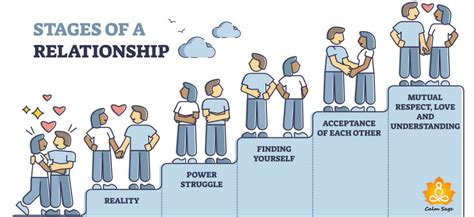
Absolutely, but it demands resilience: Shared adversity builds strong bonds. Facing -40°C winters, limited amenities, and distance creates unique partnership glue. You learn reliance. Hobbies become lifelines – skiing at Powder King, fishing the Peace River. Building a shared “fortress against the cold” mentality works. The slower pace fosters deeper conversation. Less distraction, more connection.
Finding your “tribe” as a couple is critical. Connect with other intercultural couples. Embrace the outdoors – it’s the true heart of social life here. Be prepared for career sacrifices. Job opportunities for both partners in niche fields are scarce. One might commute. Strain is inevitable. Access to culturally specific healthcare or family support during childbirth is limited. Plan meticulously. The payoff? A partnership forged in fire. Quiet strength. Knowing you built something real where few thought you could. It’s not easy love. It’s resilient love. The kind that endures.