
The Raw Truth About Age Gap Dating in Delta

Delta. It’s got its own vibe. And dating someone significantly older or younger here? It comes with a unique set of stares, whispers, challenges, and yes, sometimes unexpected magic. Forget generic advice. We’re diving deep into the messy, real world of age-different relationships right here. The judgment, the sex, the power plays, the logistics – let’s unpack it all.
Is Age Gap Dating Even Acceptable in Delta Society?
Honestly? Acceptance is patchy. Legally, consenting adults are free. Socially? Prepare for sideways glances at the pub or the community centre, especially if the gap is wide. Delta’s a mix – progressive pockets exist alongside deeply traditional views. Families might freak out. Friends might raise eyebrows. “Gold digger” or “mid-life crisis” labels get tossed around carelessly.
It feels personal. Because it is. That judgment stems from ingrained beliefs about “appropriate” life stages and what relationships “should” look like. Older partners might face assumptions they’re trying to recapture youth. Younger ones get accused of seeking a sugar parent. It’s exhausting. And navigating it requires a thicker skin than dating someone your own age. You learn to pick your battles. Sometimes you ignore the whispers. Sometimes you shut it down. But pretending the stares don’t exist? That’s naive. Delta isn’t a bubble.
How Do I Handle Disapproval from Family or Friends in Delta?
Short answer? Carefully. But firmly. Start by understanding *their* fear – is it concern for exploitation, stability, or just discomfort with the unfamiliar? Address those fears directly with facts about your relationship, not emotions. “He respects me,” “We share values,” “Her maturity is grounding.” Show, don’t just tell, the health of your bond. If they persist? Boundaries. “I understand your concern, but this is my choice.” Be prepared for some relationships to strain or even break. It’s a brutal cost sometimes. Prioritize partners who have your back unequivocally. Weak support crumbles under pressure.
What Are the Biggest Communication Challenges in Age Gap Relationships?
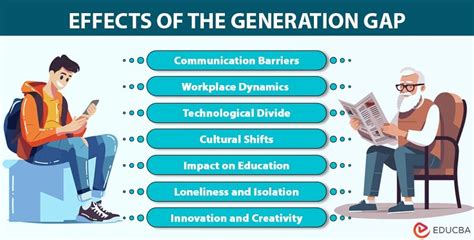
It’s not just “OK Boomer” vs. TikTok slang. The real friction points are deeper. Different cultural touchstones shape worldviews. A partner who lived through the Cold War or the pre-internet era has a fundamentally different baseline than someone who grew up with smartphones. References fly over heads. Values around work, commitment, or even technology use can clash.
Then there’s the power imbalance. Real or perceived. The older partner often has more financial stability, life experience, established career. This can unintentionally silence the younger partner. Or breed resentment. Active, conscious communication is non-negotiable. You *must* create space for the less experienced voice. Acknowledge the imbalance exists. Talk about money expectations early and often. Discuss long-term goals – retirement vs. career launch, kids vs. empty nest. Assumptions are poison.
How Do We Bridge the Generation Gap in Daily Life?
Embrace the education. Seriously. Be curious. The younger partner can teach tech, current trends, new music. The older partner shares history, hard-won life lessons, maybe how to fix things. Find shared activities *now* that aren’t tied to nostalgia for one era. Hiking Delta’s trails, exploring local markets, trying new restaurants – create common ground in the present. Accept that some references will remain mysteries. Laugh about it. “Guess you had to be there” becomes a shared joke, not a wall.
How Does Sex Factor into Age Gap Relationships in Delta?

Let’s be blunt. Libidos and performance change with age. A 25-year-old and a 55-year-old are often on different biological pages. Energy levels, recovery times, sexual interests evolve. The younger partner might crave more frequency or experimentation. The older partner might prioritize intimacy or connection over athleticism. Mismatches here can sink things fast if not addressed.
Open, awkward, explicit conversations about sex are mandatory. Discuss desires, limitations, fantasies, and medical realities (ED, menopause) without shame. Explore together. Adapt. Toys, different positions, focusing on sensual touch – intimacy isn’t just intercourse. Patience and creativity become key. Ignoring the issue guarantees frustration. Delta’s relatively open, but societal hangups about “age-appropriate” sexuality linger. Ditch them in the bedroom.
Is the “Power Dynamic” Inevitably Unhealthy in Bed?
Not inherently, but it’s a risk zone. The older partner’s experience shouldn’t translate to dominance unless mutually desired. The younger partner’s vitality isn’t a commodity. Consent and mutual exploration are paramount. Watch for coercion masked as guidance. Healthy age-gap sex requires checking egos and ensuring both voices are equally heard in defining pleasure. It demands radical honesty about needs and boundaries. Anything less risks toxicity.
Are There Specific Legal Concerns for Age Gap Couples in Delta?

Mostly, it boils down to age of consent and power of attorney. BC’s age of consent is 16, but complex “close in age” exceptions exist for 14/15-year-olds – irrelevant for typical adult age gaps. The real legal stuff kicks in later. If cohabiting, understand BC’s common-law rules (living together for 2 years).
The bigger ticket? Future planning. Significant age gaps mean one partner will likely need care or die much sooner. Powers of Attorney (financial and healthcare), Wills, and potentially cohabitation agreements are CRITICAL. Who makes medical decisions if one is incapacitated? How are assets divided? Don’t wait for a crisis. Consult a Delta lawyer specializing in family and estate law. It’s not romantic, it’s responsible. Skipping this is playing Russian roulette with your partner’s future security.
What Actually Makes Age Gap Relationships Work Long-Term in Delta?

Forget fairy tales. Success hinges on brutal self-awareness and relentless effort. Shared core values are the bedrock – more important than shared music taste. Alignment on finances, family (kids/no kids), lifestyle, and fundamental ethics. Without this, the gap widens until it collapses.
Emotional maturity is non-negotiable. Both partners. The younger one needs resilience beyond their years. The older one needs to avoid paternalism/maternalism. You must be peers emotionally, even if not chronologically. Actively nurture independence within the relationship. Encourage separate friends, hobbies, growth. Codependency fueled by the age difference is a slow death.
Embrace the reality of different life phases. Celebrate milestones differently. Understand that energy levels and priorities will shift at different times. Plan for the future pragmatically – retirement savings, healthcare, end-of-life wishes. Talk about it all. The couples who thrive are those who stare the challenges down together, laugh at the absurdity sometimes, and fiercely protect their connection from external noise and internal complacency. It’s harder work. No point pretending otherwise. But for some? The depth, the learning, the unique perspective – it’s worth every ounce of effort.
Where Can Age Gap Couples Find Community or Support in Delta?
It’s sparse, but not impossible. Avoid generic dating apps focused purely on age gaps – often sketchy. Look for interest-based groups (hiking clubs, book clubs, art classes, volunteer orgs) where connections form organically. Delta has vibrant community centres – join activities. Some therapists in the Lower Mainland specialize in non-traditional relationships; worth seeking out for unbiased support. Online forums exist, but vet carefully. Sometimes, the best support is just finding one or two truly open-minded friends who get it. Build your micro-community. Isolation amplifies the challenges.
Honestly, Is the Judgment in Delta Ever Going Away?

Completely? Probably not in our lifetimes. Humans categorize. Difference unsettles. But visibility helps. The more healthy, happy age-gap couples live openly in Delta – grocery shopping, holding hands in Ladner or Tsawwassen, attending events – the more normalized it becomes. It chips away at the stigma. Your relationship existing confidently is activism. Expect progress to be slow, nonlinear, and frustrating. Focus on building a relationship so solid that external noise becomes background static. That’s the real victory.